

Questions about Dental Implants

Dental implants replace one or more missing teeth in the mouth, restoring harmony to the smile.
The procedure goes beyond facial aesthetics, providing improved self-esteem and chewing ability, enhancing diction, and preventing oral diseases caused by bone loss in the gums due to missing teeth.
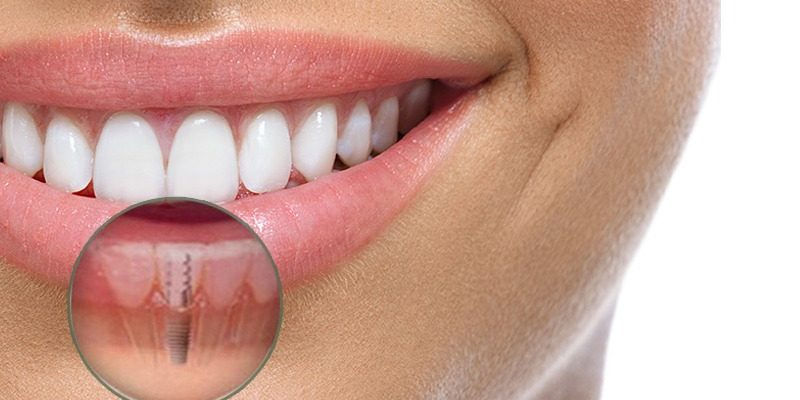
How is the implant done?
The implant is performed by a dental surgeon in a relatively quick procedure, without hospitalization, only requiring rest and pre-implant preparation. The surgeon installs titanium pins and screws into the gum bone to place the porcelain and zirconium prostheses on top. The prostheses are molded to fit the shape of the mouth, creating perfect harmony with the face.
Titanium is a material that is easily accepted by the body, thus ensuring the success of the procedure.
The implant should be placed as close to the time of tooth loss as possible, as the thickness and height of the bone can change over time due to bone resorption. If the bone weakens and atrophies, surgery to perform a bone graft will be necessary.
Who can get dental implants?
Anyone can undergo the procedure, provided bone growth is complete, in the case of teenagers. The procedure is only prohibited for those with gum inflammation and infections, and those with poor oral health. In these cases, the recommendation is to treat the underlying conditions first, before starting the implantation of the new teeth.
Pregnant women can only receive implants in emergency cases and, preferably, during the second trimester of pregnancy.
In the case of hypertensive individuals, the implant can be performed after monitoring by a cardiologist. The doctor needs to assess blood pressure, which must be controlled, before the procedure. The recommendation for hypertensive individuals is to have the implant performed in a hospital setting to ensure emergency care in case of complications.
Post-operative diabetics often worry about the post-operative period and gum healing. However, a person with chronic disease is unlikely to experience risks of infection or other complications if pre-operative exams were performed properly and showed good health.
Rest is necessary after surgery!
Rest is necessary and usually lasts 1 to 3 days, depending on the individual. The recovery period is longer in the case of bone grafts, potentially up to 7 days. The duration varies according to the treatment and post-operative care.
To keep an implant healthy, have it serviced regularly.
After the recovery and satisfaction with the new smile, periodic visits to the dentist should be scheduled for maintenance, evaluation of the prosthesis and posts, and teeth cleaning.
It's important to remember that cleaning should be done at least every six months, regardless of whether you have implants. It's a way to prevent disease and maintain oral health.
Living with dental implants is easier and more pleasant than you might imagine. Contrary to what many believe, teeth don't fall out or break easily. The prosthesis perfectly mimics your natural teeth, as it's made from each person's individual dental arch.
To preserve the implant, proper hygiene is essential. Brush your teeth at least three times a day, or after each meal. Using dental floss and mouthwash are essential for oral health.
Take good care of your dental implant and you'll have a beautiful, long-lasting smile for life.


Comments