
Oral Hygiene
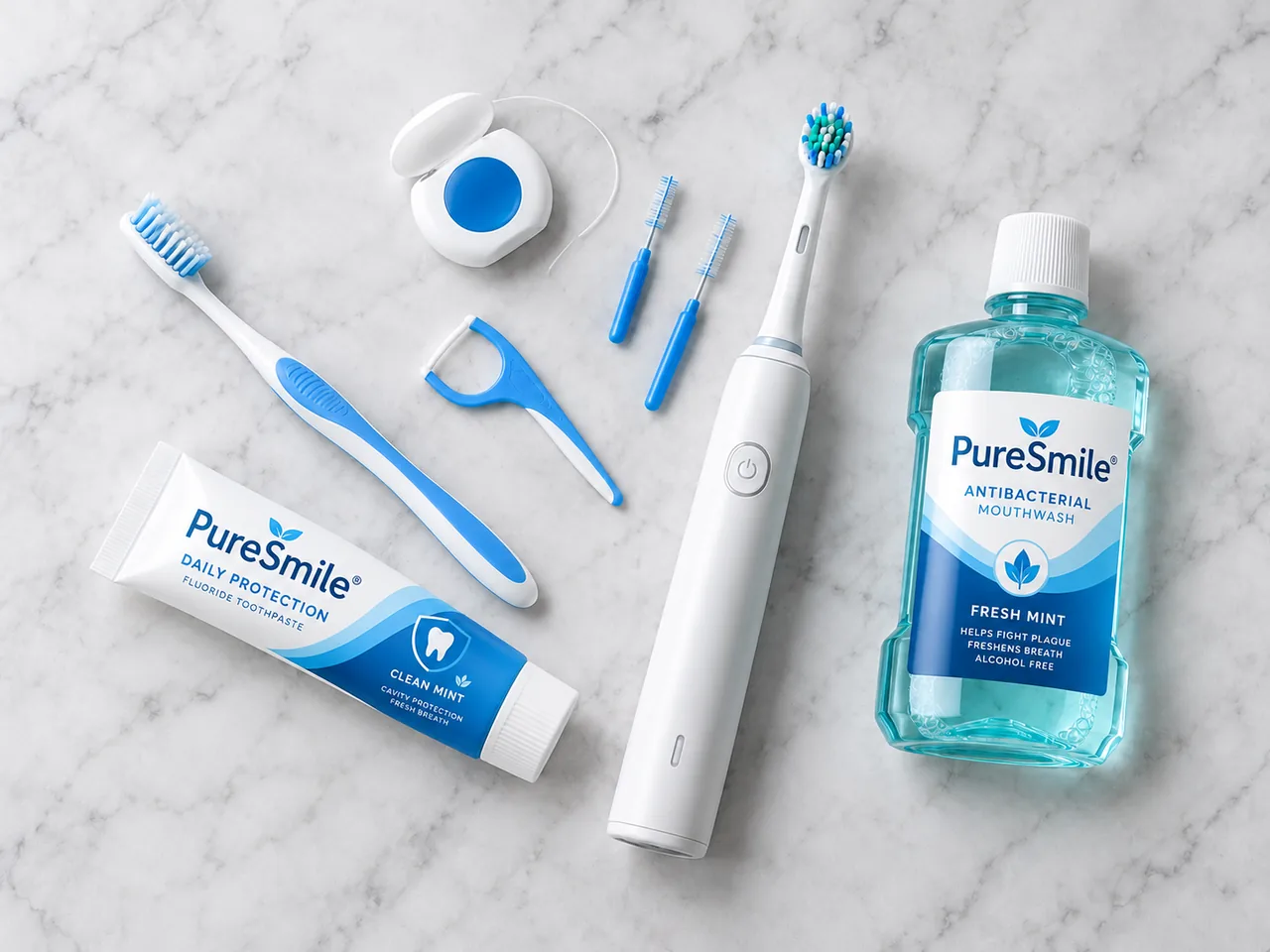
The question of electric versus manual toothbrush is one of the most common we hear in the clinic. The short answer is that both can clean teeth well — what really makes the difference is technique.
Generally speaking, electric toothbrushes (especially oscillating-rotating ones) tend to remove plaque more consistently, partly because they reduce the margin for error in manual technique. Even so, a manual toothbrush used correctly remains perfectly effective.
Whichever type of brush you use, the bristles should always be soft. Hard or medium bristles can wear down enamel and irritate the gums over time, without cleaning any better than soft bristles used properly.
The most common mistake is brushing too hard, on the assumption that more pressure cleans better. The opposite usually happens: too much pressure wears down enamel and hurts the gums. The motion should be gentle, in small circles, covering every tooth surface — outer, inner and chewing surfaces.
The general recommendation is to brush for at least two minutes, twice a day. Many electric toothbrushes have built-in timers that help you stick to this, which can be useful for anyone who tends to brush too quickly.
Whichever brush you choose, neither one cleans the spaces between your teeth effectively. Floss or interdental brushes remain essential for complete oral hygiene.
More important than the type of brush is how it is used: soft bristles, gentle pressure, enough time and daily interdental cleaning. An electric toothbrush can make good technique easier, but it does not replace these habits.
Want to review your brushing technique with our team? We will book an assessment and give you personalised tips.
BOOK APPOINTMENT →