
Oral Health
Caring for a child's oral health usually needs to start earlier than most parents expect, well before the first tooth even appears.
Even without teeth, a baby's mouth already benefits from care. After feeds, gently wiping the gums with a damp gauze or cloth helps remove milk residue and gets the child used to oral hygiene from an early age.
Once the first tooth comes through, brushing should begin, using a small, soft-bristled brush suited to the child's age. The amount of toothpaste and whether it should contain fluoride should follow guidance from the dental team, as this varies with the child's age.
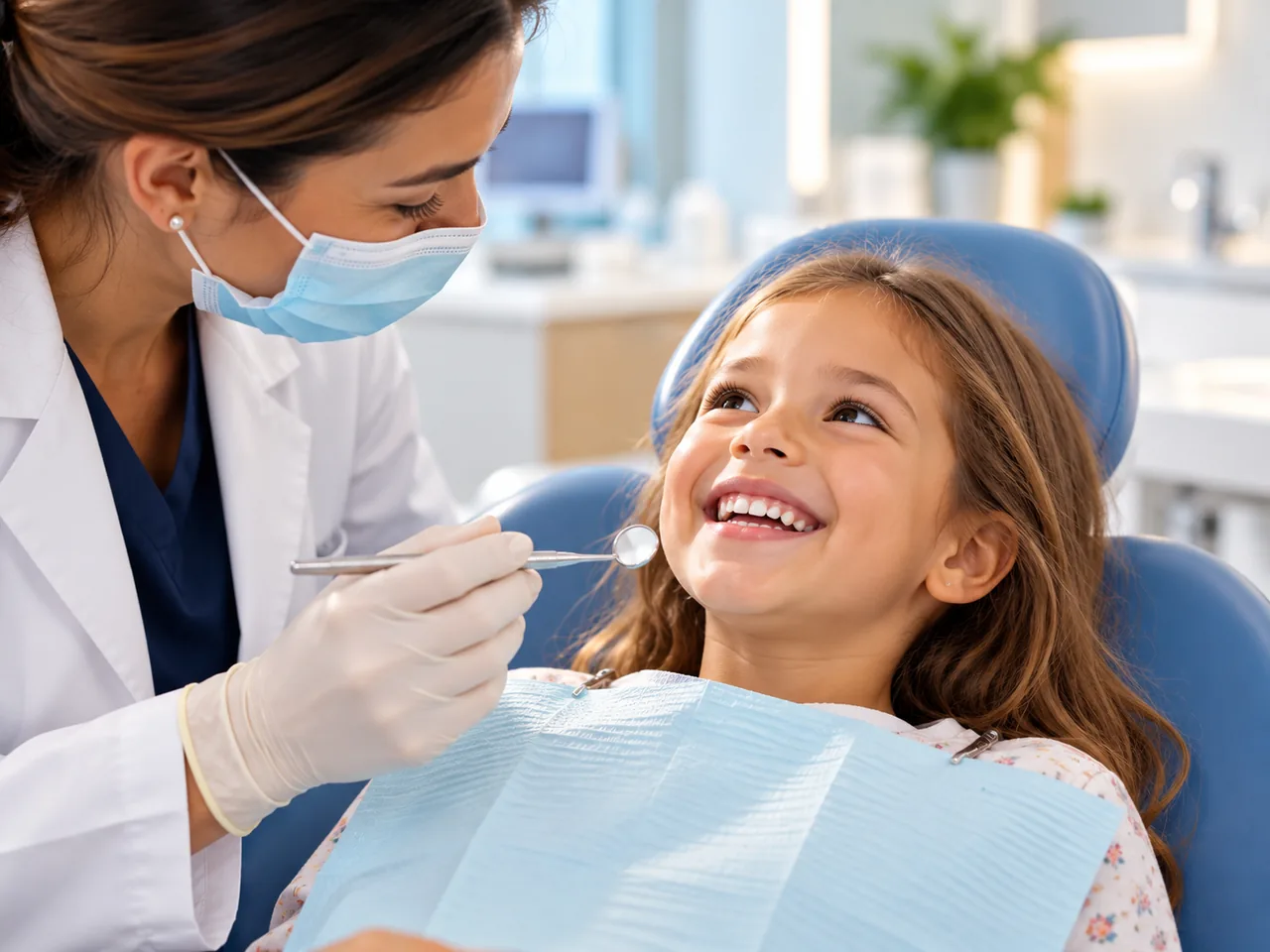
The general recommendation followed by leading paediatric dentistry bodies is that the first visit should take place around the child's first birthday, or within six months of the first tooth erupting. This early visit is not just a clinical check: it also helps the child get used to the clinic environment in a calm way, without associating the appointment with discomfort.
A few common habits in early childhood deserve attention, such as prolonged dummy use, bedtime bottles with sugary drinks, or thumb-sucking. Kept up for too long, these can affect the development and alignment of the teeth, and are worth discussing at a routine appointment.
Until a child has enough dexterity to brush well on their own, usually around six or seven years old, brushing should be done or supervised by an adult, morning and night.
After the first visit, routine check-ups every six months make it possible to monitor the development of the teeth and mouth, catch any sign of decay early, and reinforce good oral hygiene habits in a simple way.
Starting oral care early, even before the first tooth, helps build habits that last a lifetime and makes future appointments much easier.
Want to book your child's first appointment? Our team welcomes children with extra care.
BOOK APPOINTMENT →