
Oral Health & Wellbeing
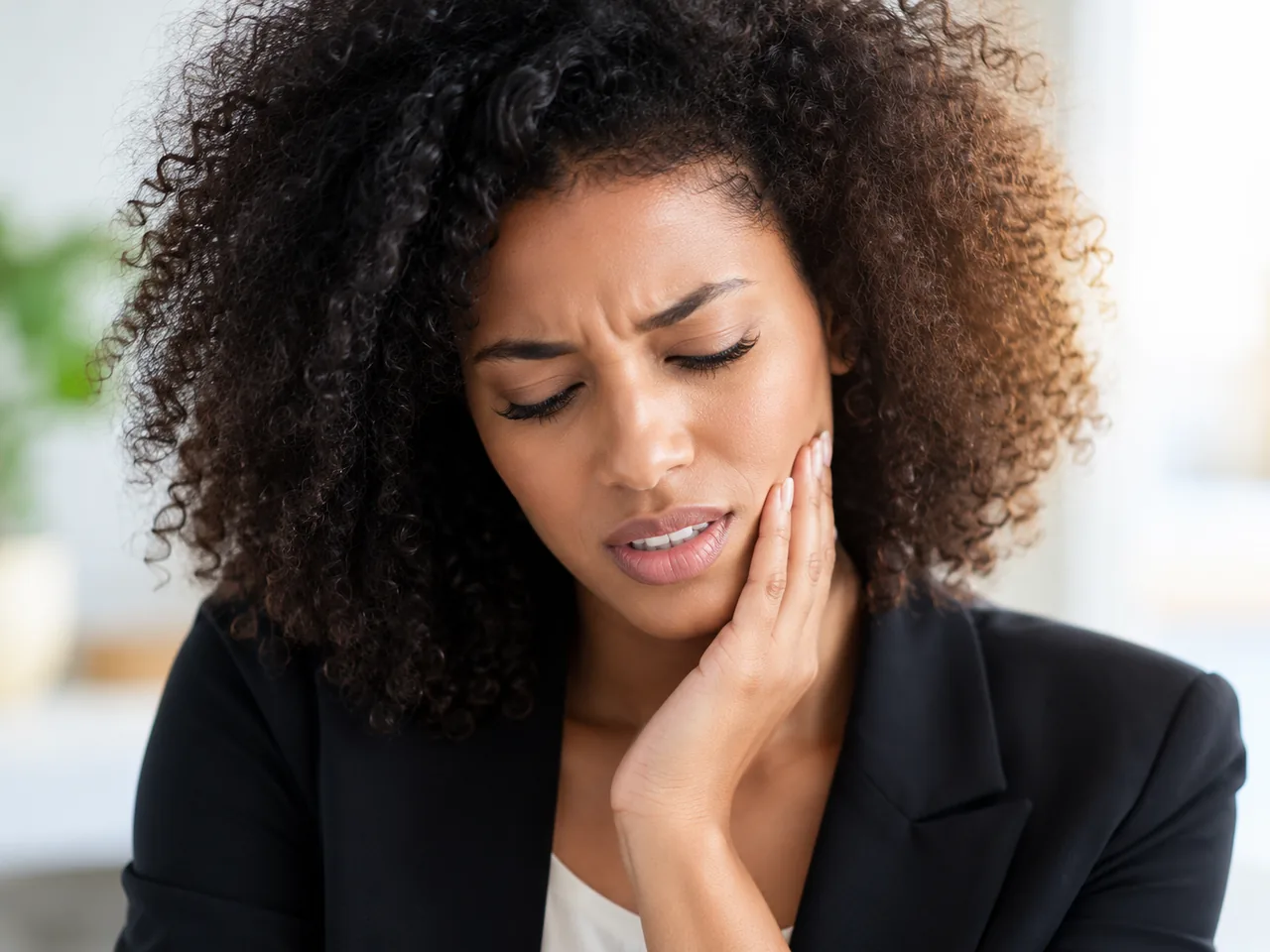
Waking up with a sore jaw or an unexplained headache can be a sign of bruxism — the habit of clenching or grinding your teeth, often without realising it.
Bruxism is the involuntary clenching or grinding of teeth, which can happen during sleep (sleep bruxism) or during the day, often linked to moments of concentration or tension. Since it is, in most cases, an unconscious behaviour, many people only discover they have it through indirect signs or through the clinical team noticing it.
Common signs include visible wear on the tooth surfaces, tooth sensitivity, pain or tension in the facial and jaw muscles, headaches on waking and, in some cases, discomfort in the temporomandibular joint (the joint that connects the jaw to the skull).
Over time, bruxism can wear down tooth enamel, making teeth shorter, more sensitive or uneven at the edges. In more pronounced cases, it can even contribute to tooth fractures.
Stress and anxiety are factors frequently linked to bruxism, but they are not the only cause. Other possible factors include sleep disturbances, caffeine or alcohol intake, certain medications, or the alignment of the teeth themselves. So not every case should be put down to stress alone.
The dental team can spot signs of bruxism during a clinical exam, by looking at the pattern of tooth wear and asking about associated symptoms. In some cases, a custom-made night guard may be recommended to protect the teeth from further wear.
Managing bruxism usually combines protecting the teeth with a night guard with identifying, and where possible managing, the associated factors. In some cases, working alongside other healthcare areas can help, depending on the cause identified.
Bruxism is a common, often unconscious habit, with causes that go beyond stress. Identifying it early helps protect your teeth from wear and improves day-to-day comfort.
Waking up with a tense jaw or frequent headaches? Our team can assess whether it is bruxism.
BOOK APPOINTMENT →